
Scope
We focus on the elucidation of the “molecular dialogs” underlying the Molecular Host-Microbe Interactions (MHMI) to understand both microbial pathogenicity (in susceptible hosts), as well as, the activation of Innate Immunity in resistant hosts. Our aim is to decipher microbial strategies like effector proteins and host immunity systems to improve disease resistance and ensure food security.
Microbial pathogenicity mechanisms
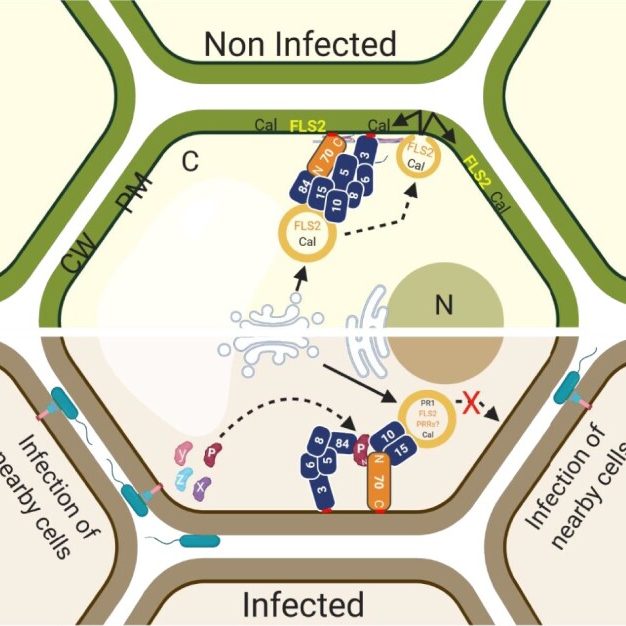
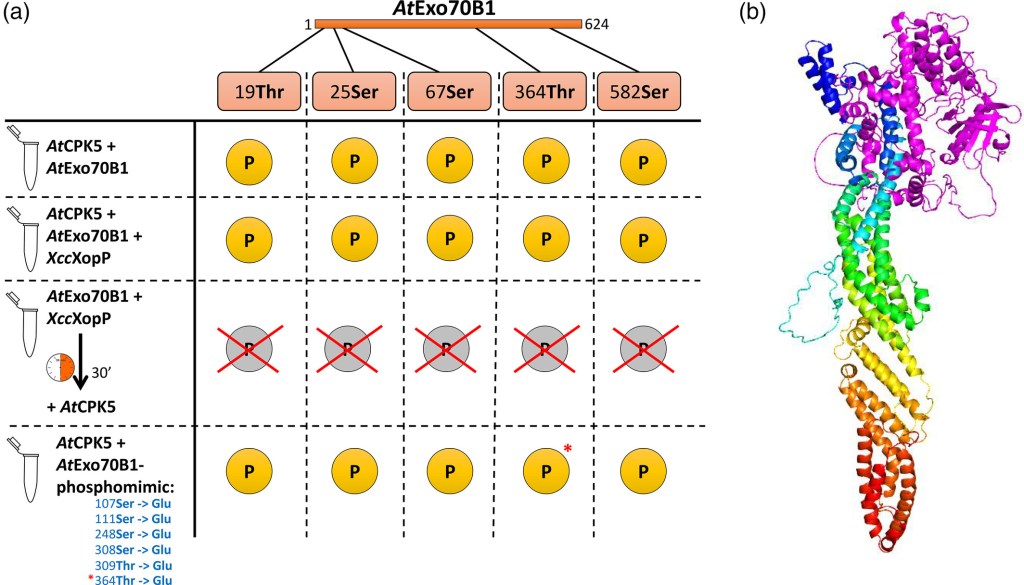
Pathogens have evolved to exploit the nutrients of plant and animal hosts, often specializing in specific hosts. Some, however, can infect a wide range of organisms. These pathogens use effector proteins to colonize hosts by suppressing immunity or altering host physiology to support their growth. Despite their importance, the functions and targets of most effectors remain unknown. Studying these proteins can help uncover key elements of plant immunity and physiology, offering insights for developing better strategies to improve crop resistance and productivity.
Discovering beneficial microbes in extreme and other environments
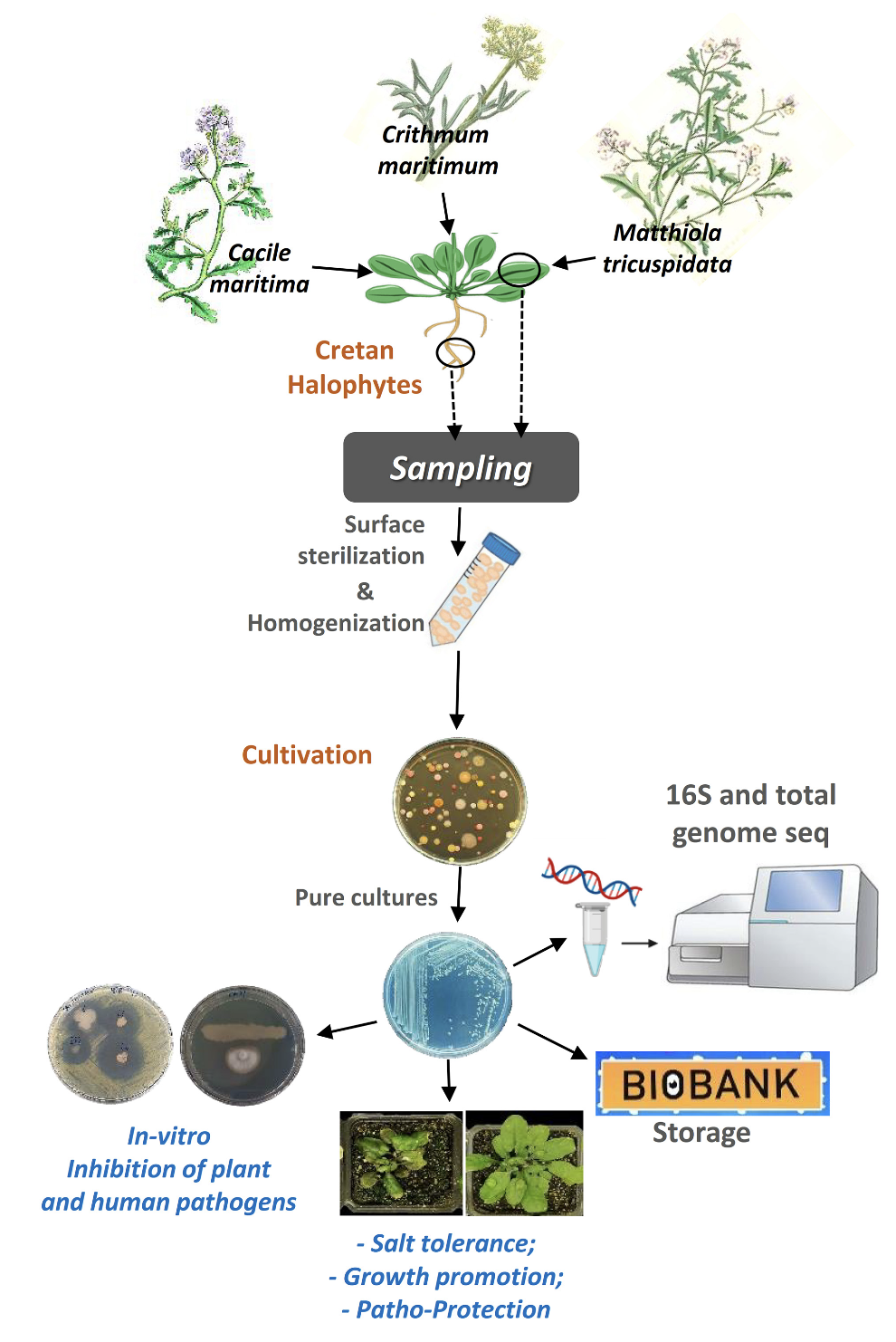
Our group has created a BIOBANK of 1,500 PBMs from extreme environments, including crop wild relatives and cave microbiomes. We study these microorganisms to understand their role in both biomedical and agricultural biotechnology research. For example how microbes could help plants resist stress and to discover new antimicrobial compounds for improving crop resilience and sustainability. Thus, supporting the “ONE HEALTH” vision for farm productivity and environmental protection.
Plant innate immunity
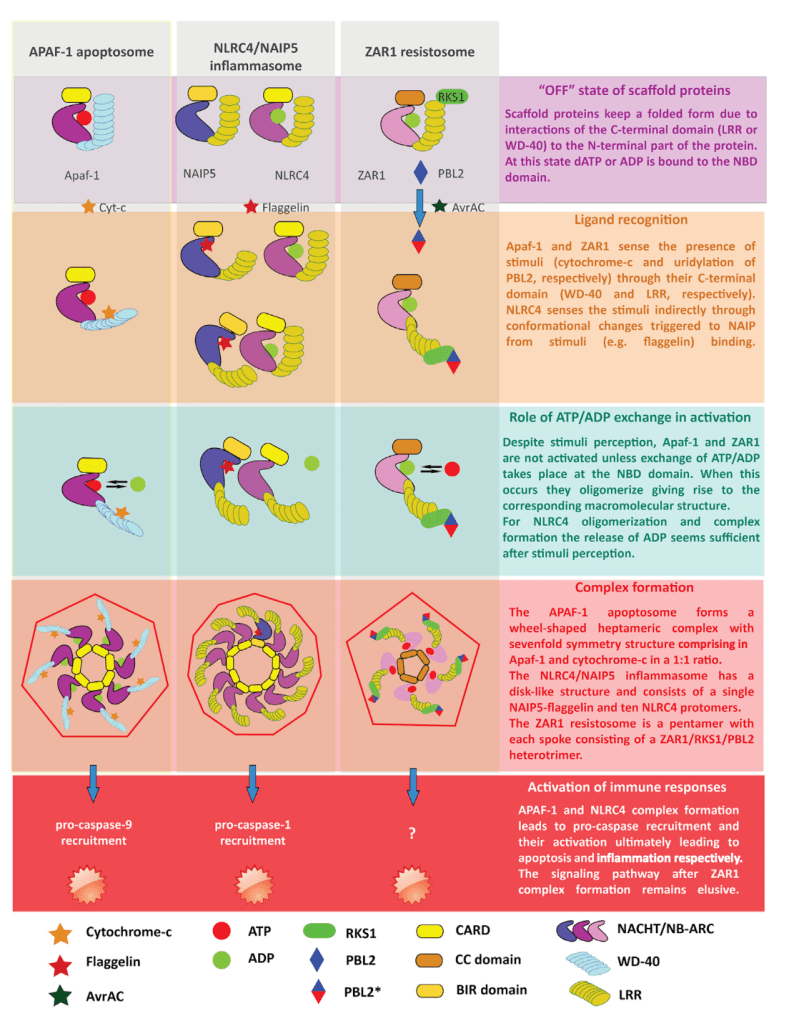
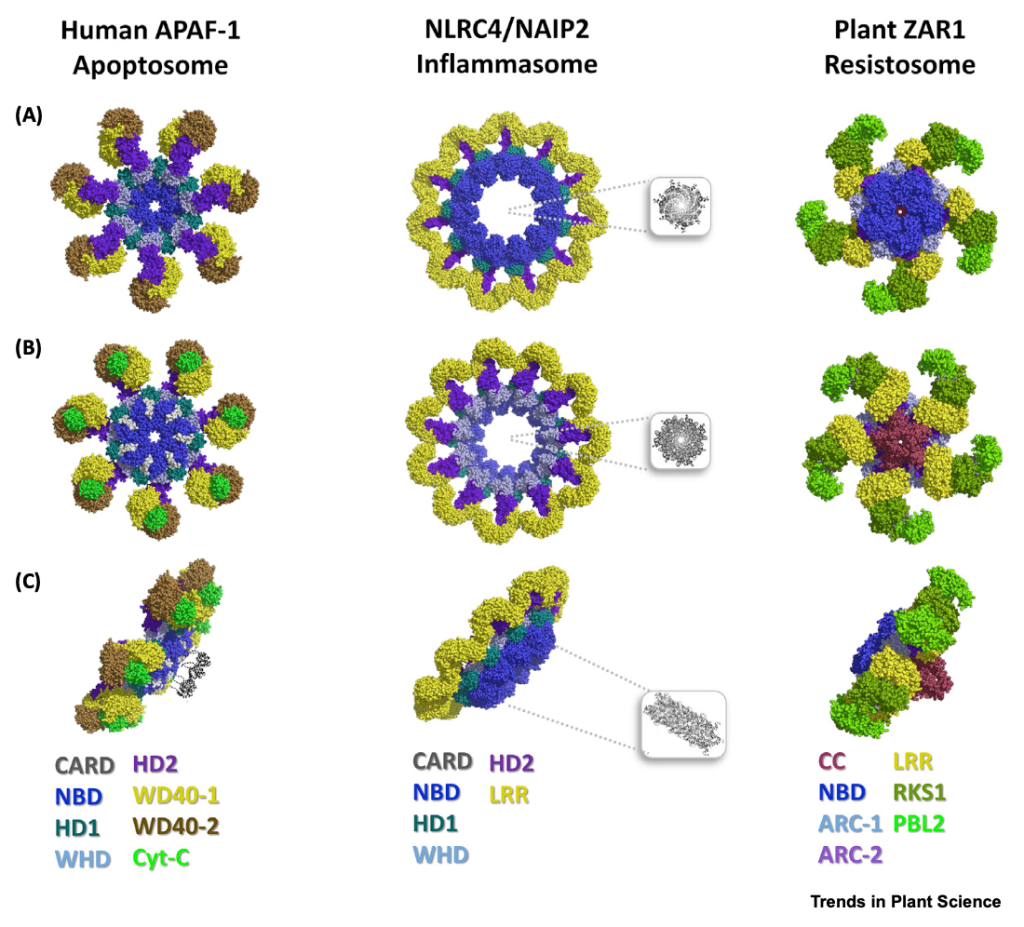
We explore the fascinating world of plant innate immunity, focusing on how plants defend themselves against pathogens using specialized intracellular immune receptors called NLRs (Nucleotide-binding domain and Leucine-rich Repeat-containing proteins). These receptors detect pathogen-secreted effectors and trigger robust immune responses, including the hypersensitive response (HR), which prevents disease spread.
Our research delves into the molecular mechanisms of NLR-mediated immunity, examining how plants recognize and respond to threats despite lacking mobile immune cells or an adaptive immune system. By studying pathogen-host interactions, resistance gene diversity, and immune response activation, we aim to unravel critical insights into disease resistance and its manipulation in plants. This research is vital for advancing sustainable agriculture and combating plant diseases.
Public Data
Genome sequencing of halophytic endophytome – PRJNA634334
Bacilli endophytes from plants with different lifestyles – PRJEB93985

 Sarris Lab